Hopeful Horizons Counseling and Consulting
Coaching
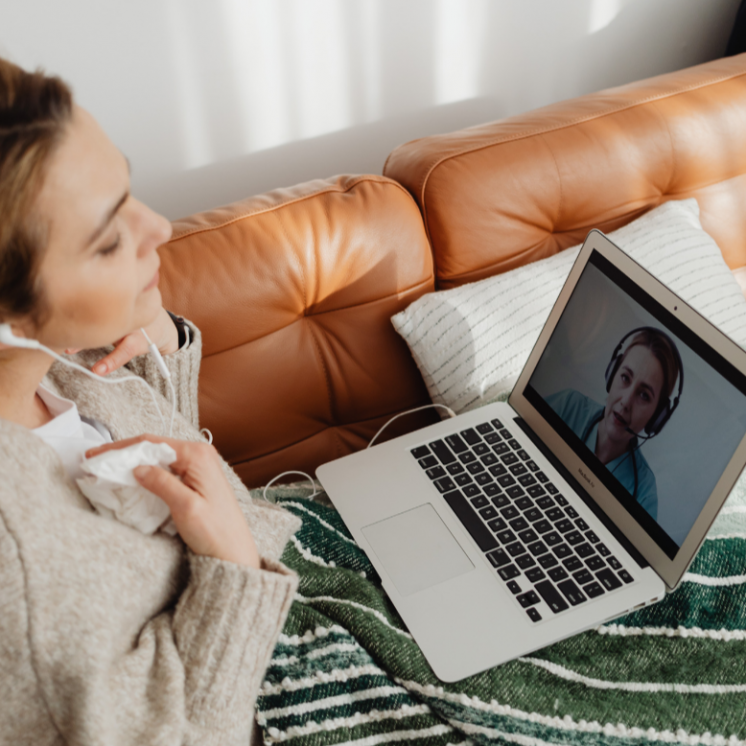
Sometimes an individual may want support for specific life goals or situations unrelated to mental health. When this is the case, coaching is a great choice. Coaching is not therapy and does not take the place of therapy when mental health needs are present. It is typically short term and focused on the accomplishment of a specific goal. Coaching may occur one on one, or in a group. Coaching is available for a variety of goals and topics. One on one coaching appointments are 50 minutes long and bill at $155 per session. Group duration and rates vary depending on the topic and the size of the group.
What are the benefits of coaching?
Coaching, which is also referred to a life coaching, mentoring, or advising, is an opportunity to receive support for specific goals and concerns that do not meet criteria for a mental health condition. It is important to seek mental health care when you are dealing with a mental health condition because coaching is not a regulated industry at this time. There is no required training or certification and no official oversight by the government or professional organizations. Literally anyone can call themself a coach and charge people money for coaching services. This probably seems like an odd way to start a section on the benefits of coaching, but I feel it is important that you as the client be aware of the lack of regulations around the coaching industry. For coaching to be beneficial, it is vital to find a coach that has training and skills for helping people with their goals and concerns.
A relationship with a competent coach can benefit you in many ways including:
-
Feeling emotionally supported - It can be difficult to find family members or friends who are able to fully meet your need for emotional support, especially when they are experiencing difficulties of their own. They also may want to give advice, but that advice doesn't always land well or prove helpful. Having a more objective person, a coach, to talk to can help greatly with balancing emotions and logic.
-
Building skills - Skill building is an important part of coaching. The skills worked on in coaching may be similar to skills developed in therapy, but they can also be very different. For example, a coach can help you refine a resume, practice speaking to others on the phone or in person, or identify skills that can help with making new friends. Typically, a mental health therapist would not spend time working on these activities in a therapy session. The skills learned in coaching can help you navigate the world more successfully and with greater confidence.
-
Symptom reduction - When you seek therapy for a specific mental health concern, there are usually many symptoms which accompany a diagnosis. Sometimes these symptoms can be debilitating, making it difficult to function normally or feel well on any given day. Therapists are trained to use evidence based approaches to help you address mental health concerns with a goal of reducing symptoms and treating underlying causes.
-
Achieving goals - How often have you wanted to accomplish something or make a change in your life, but found yourself feeling stuck or not knowing where to start? A coach can be a guide and encourager to help you take the first steps towards a better life for yourself and those who depend on you.
-
Self-awareness and behavior changes - It can be difficult to make sense of what is happening with our emotions, thoughts, and behaviors, and what impact this has on others. Has someone in your life asked you to change something about how you behave or how you relate to them? How do you know if it's really a problem and, if it is, how do you change it? Coaching is an opportunity to examine things about yourself, not related to mental health diagnoses, that may be getting in the way of achieiving your goals and having healthy relationships with others. Coaching can provide the support and guidance to effect real change in how you navigate the world of self and other.
Coaching is a great investment for those looking to improve their life and the lives of those they interact with. Much like hiring a personal trainer at a gym, coaching is like having a personal trainer for your life.